15 Bucket List Hikes Around the World That Americans Love
The allure of dramatic landscapes, challenging terrain, and breathtaking vistas draws hikers from across America to explore the world’s most magnificent trails. From the mist-shrouded peaks of the Andes to the ancient pathways of Europe and the rugged wilderness of New Zealand, these fifteen iconic hikes represent the pinnacle of outdoor adventure. Each trail offers not just a physical journey, but a profound connection with nature and often, a deep cultural immersion. For American travelers seeking to combine their love of hiking with international exploration, these bucket list treks provide unforgettable experiences that blend adventure, history, and natural wonder. Whether you’re a seasoned mountaineer or an enthusiastic day hiker looking to elevate your trekking portfolio, these world-class trails deserve a place on your lifetime adventure itinerary.
Inca Trail to Machu Picchu, Peru
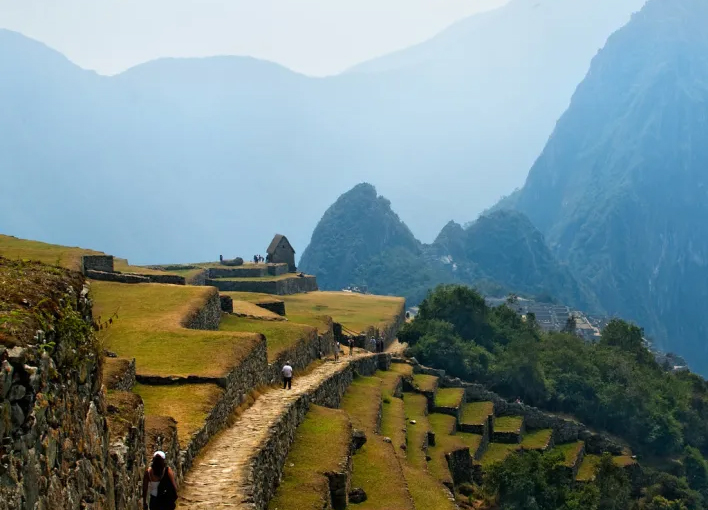
The legendary 26-mile Inca Trail stands as perhaps the most iconic trek in South America, drawing thousands of American hikers annually to follow in the footsteps of ancient Incan civilization. This four-day journey winds through cloud forests, alpine tundra, and subtropical jungle before culminating at the Sun Gate with the unforgettable first glimpse of Machu Picchu at dawn. What makes this hike particularly special is the combination of challenging mountain passes—including the infamous 13,828-foot Dead Woman’s Pass—with archaeological sites accessible only by foot. The Peruvian government’s strict permit system (limited to 500 hikers daily, including guides and porters) means Americans must book months in advance, particularly for the popular May-September dry season when clear skies maximize those postcard-perfect photos of the ancient citadel.
Tour du Mont Blanc, France/Italy/Switzerland
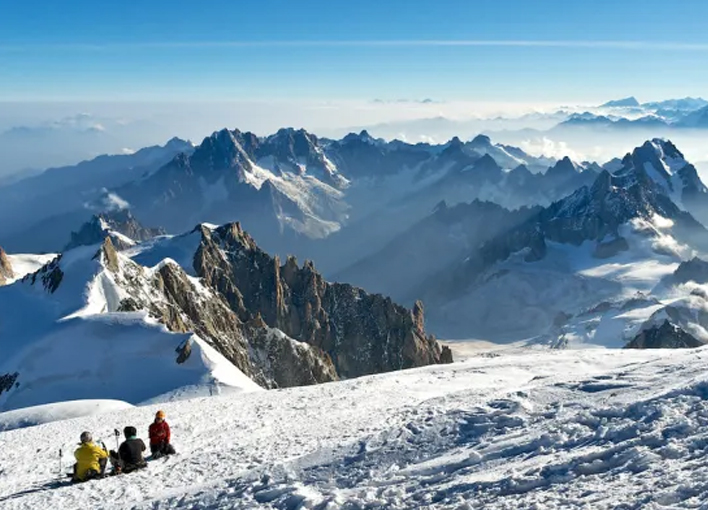
Circling the Mont Blanc massif across three countries, this 105-mile alpine odyssey attracts Americans seeking European hiking at its finest without requiring technical mountaineering skills. The complete circuit typically takes 7-11 days, passing through picturesque villages where hikers can enjoy comfortable accommodations and exceptional cuisine—a welcome contrast to the camping-oriented treks of North America. Hikers traverse high mountain passes with panoramic views of glaciers, alpine meadows carpeted with wildflowers, and the imposing presence of Western Europe’s highest peak (15,774 feet) always dominating the horizon. The trail’s infrastructure of mountain huts (refuges) means Americans can pack lighter than for wilderness treks back home, while the cultural immersion—moving from French to Italian to Swiss customs and cuisine in a single journey—adds a dimension rarely found in U.S. hiking experiences.
Milford Track, New Zealand
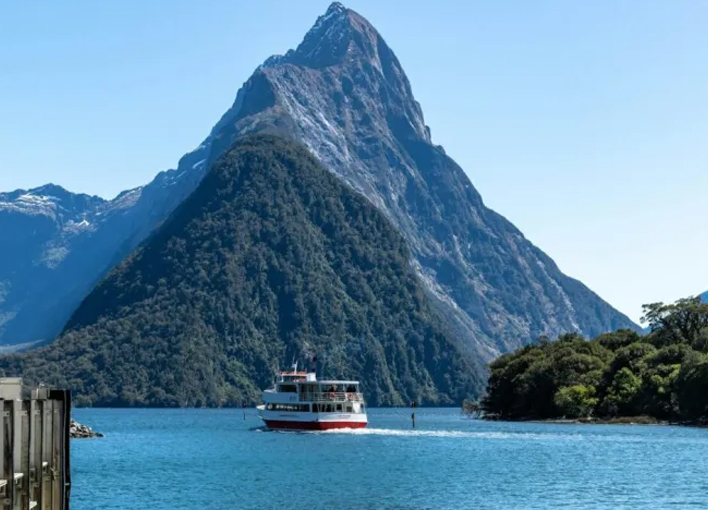
Often called “the finest walk in the world,” this 33.5-mile journey through New Zealand’s Fiordland National Park has become a pilgrimage for American hikers seeking pristine wilderness and otherworldly landscapes. The four-day, three-night guided trek (or independent walk if you prefer) traverses temperate rainforest, sub-alpine zones, and glacier-carved valleys that showcase the raw beauty that made New Zealand famous as Middle Earth in film adaptations. Sutherland Falls, New Zealand’s tallest waterfall at 1,904 feet, serves as just one of countless highlights along a route known for its remarkable ecological diversity and frequently misty, mystical atmosphere. The strictly controlled permit system means Americans must book nearly a year in advance for the prime hiking season (October-April), but the reward is experiencing one of the world’s most meticulously preserved wilderness trails with relatively small crowds.
Kilimanjaro Summit, Tanzania
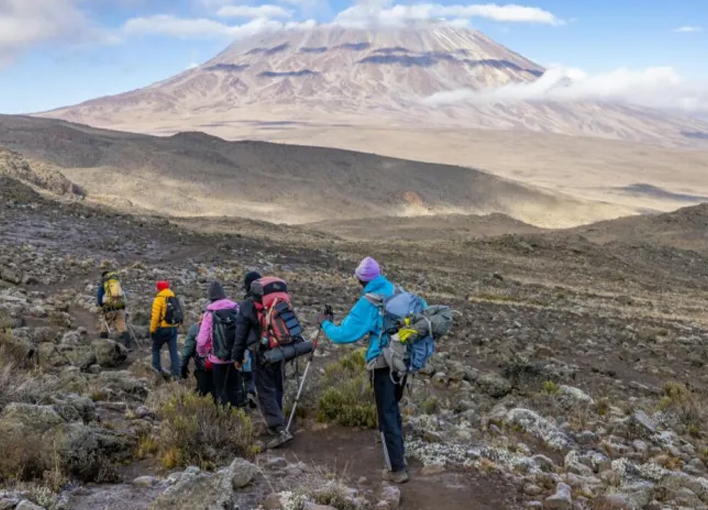
As Africa’s highest peak and the world’s tallest free-standing mountain, Kilimanjaro offers American hikers the rare opportunity to reach 19,341 feet without technical climbing equipment. The multi-day journey (typically 5-9 days depending on the route) traverses five distinct ecological zones, from rainforest to alpine desert before culminating in the arctic conditions of the summit zone. For many Americans, the Machame Route (nicknamed the “Whiskey Route”) has become the preferred path, offering better acclimatization and higher success rates than the more direct Marangu Route. The final push to Uhuru Peak typically begins around midnight, with hikers reaching the summit at dawn to witness the curved shadow of the mountain stretching across the plains of Tanzania below—a transformative moment that explains why this trek remains on so many American bucket lists despite its physical demands and altitude challenges.